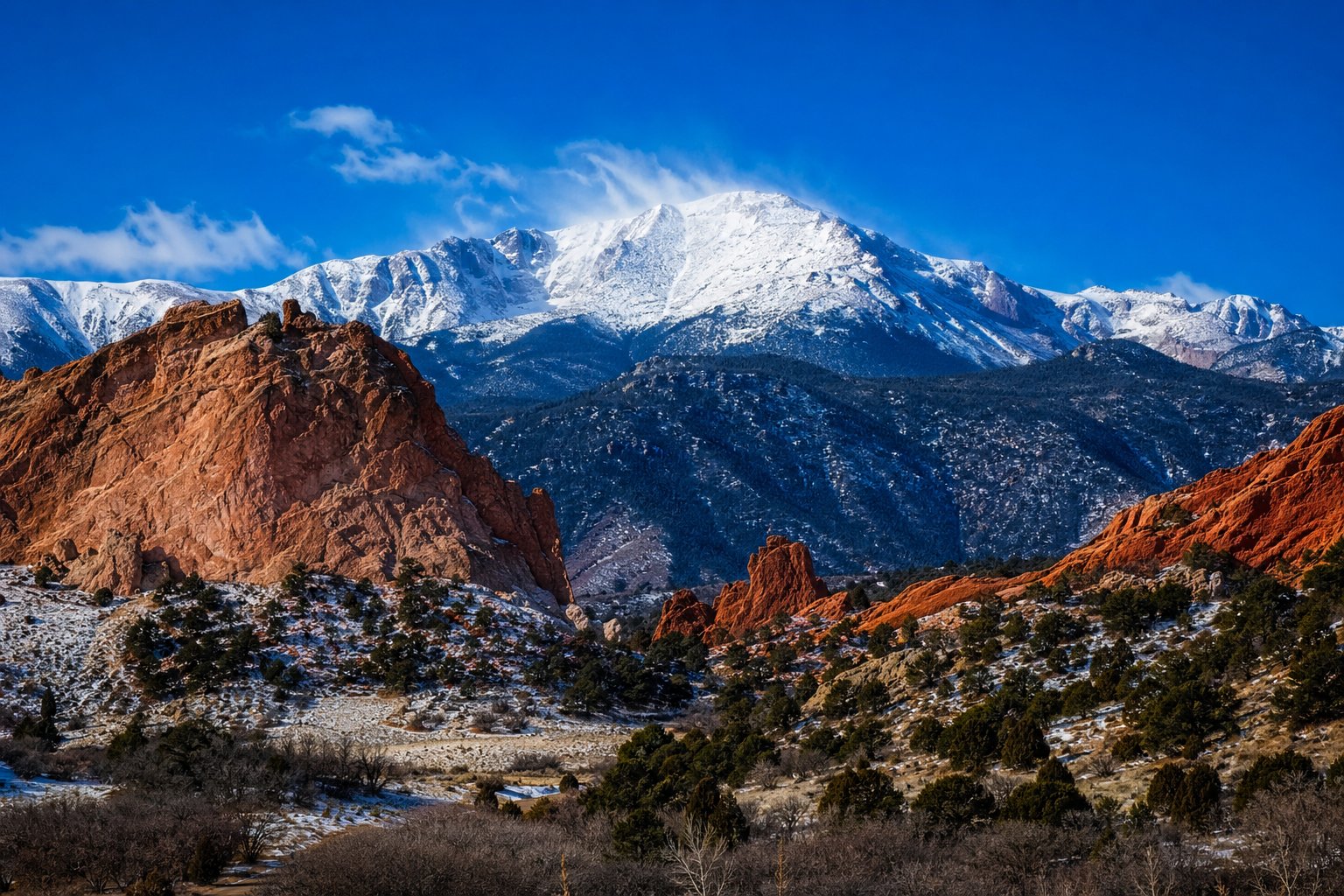
This is your starting point. Each resort below links to a full, in-depth guide with the top 10 restaurants, complete activity breakdowns for both summer and winter, driving directions, weather patterns, and insider tips for both guests and drivers.
Current Weather & Conditions
| Resort | Elevation | Current Conditions | Snow Report |
|---|---|---|---|
| Vail | 8,120–11,570 ft | [Live weather widget] | Snow Report → |
| Beaver Creek | 8,100–11,440 ft | [Live weather widget] | Snow Report → |
| Breckenridge | 9,600–12,998 ft | [Live weather widget] | Snow Report → |
| Keystone | 9,280–12,408 ft | [Live weather widget] | Snow Report → |
| Copper Mountain | 9,712–12,313 ft | [Live weather widget] | Snow Report → |
| Winter Park | 9,000–12,060 ft | [Live weather widget] | Snow Report → |
| Steamboat Springs | 6,900–10,568 ft | [Live weather widget] | Snow Report → |
| Aspen Snowmass | 7,870–12,510 ft | [Live weather widget] | Snow Report → |
| Telluride | 8,725–13,150 ft | [Live weather widget] | Snow Report → |
| Crested Butte | 9,375–12,162 ft | [Live weather widget] | Snow Report → |
| Arapahoe Basin | 10,780–13,050 ft | [Live weather widget] | Snow Report → |
| Loveland | 10,800–13,010 ft | [Live weather widget] | Snow Report → |
Checking road conditions? The Colorado Department of Transportation provides real-time conditions, closures, and traction law status at COtrip.org. Check before every mountain drive.
Colorado's Ski Resorts at a Glance
| Resort | Skiable Acres | Lifts | Trails | Avg. Snowfall | Drive from Denver | Best For |
|---|---|---|---|---|---|---|
| Vail | 5,317 | 32 | 278 | 354" | ~2 hrs | Largest terrain, legendary Back Bowls, world-class village |
| Beaver Creek | 1,832 | 24 | 168 | 325" | ~2.5 hrs | Luxury experience, immaculate grooming, family-friendly |
| Breckenridge | 2,908 | 34 | 187 | 353" | ~1.5 hrs | High-altitude terrain, lively town, Imperial Bowl hike-to |
| Keystone | 3,148 | 20 | 128 | 235" | ~1.5 hrs | Night skiing, family value, three peaks of terrain |
| Copper Mountain | 2,490 | 23 | 150 | 305" | ~1.5 hrs | Naturally divided terrain, great value, less crowded |
| Winter Park | 3,081 | 25 | 171 | 349" | ~1.5 hrs | Denver's home mountain, Mary Jane bumps, family programs |
| Steamboat Springs | 2,965 | 18 | 169 | 349" | ~3 hrs | Champagne Powder®, hot springs, authentic Western town |
| Aspen Snowmass | 5,700+ | 41 | 366 | 300+" | ~4 hrs | Four mountains, cultural capital, Highland Bowl |
| Telluride | 2,000 | 18 | 148 | 309" | ~6 hrs | Most scenic box canyon, expert terrain, free gondola |
| Crested Butte | 1,547 | 16 | 121 | 300" | ~4 hrs | Extreme terrain, wildflower capital, charming town |
| Arapahoe Basin | 1,428 | 9 | 147 | 350" | ~1.5 hrs | Longest season, expert terrain, above-treeline skiing |
| Loveland | 1,800 | 11 | 94 | 422" | ~1 hr | Best value, earliest to open, no-frills skiing |
The I-70 Corridor Resorts — Quick Access from Denver
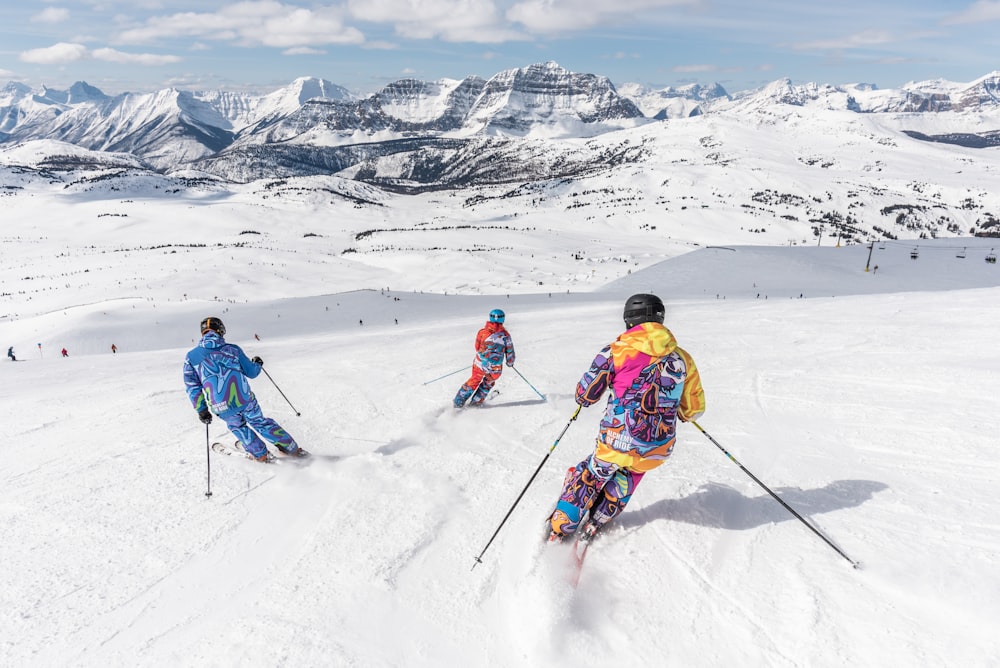
The majority of Colorado's ski resorts line the I-70 corridor west of Denver, making them accessible within 1.5 to 2.5 hours — weather and traffic permitting. Understanding this corridor is essential for anyone planning mountain trips.
The Drive West: What to Expect
Leaving Denver, I-70 climbs through the foothills past Idaho Springs and Georgetown before reaching the Eisenhower Tunnel (11,158 ft) — the highest point on the US Interstate system and the gateway to Summit County. From there, the landscape opens up dramatically.
Closest to Denver (60–75 miles):
- Loveland — Right off I-70 at the base of the Eisenhower Tunnel. The closest major ski area to the Front Range.
- Arapahoe Basin — Just 10 minutes off I-70 via US-6. One of the first resorts you'll reach.
- Keystone — Minutes past A-Basin on US-6. Easy access, big mountain.
Summit County (75–85 miles):
- Breckenridge — South of I-70 via CO-9 from Frisco. The most popular resort in Colorado by visitor count.
- Copper Mountain — Right on I-70, just past Frisco. Impossible to miss.
Vail Valley (95–110 miles):
- Vail — Over Vail Pass (10,662 ft), then down into the valley. The flagship.
- Beaver Creek — 10 miles past Vail, off I-70 at Avon. The refined sibling.
I-70 Driving Essentials
- Traction Law is always in effect on I-70 between Dotsero and Morrison from September 1 through May 31
- Peak traffic: Westbound Friday 2–7 PM, Saturday before 11 AM. Eastbound Sunday 3–6 PM.
- The trouble spots: Georgetown Hill (steep, icy), Eisenhower Tunnel approach (narrow, windy), Ten Mile Canyon to Copper (deceptively sloped), Vail Pass descent (faster than you think)
- Real-time conditions: COtrip.org — check every time
Off-Corridor Destinations — Worth the Journey
Steamboat Springs — ~3 Hours via I-70 & US-40
Steamboat takes a different path: I-70 west to Silverthorne, then north on CO-9 to Kremmling, then US-40 over Rabbit Ears Pass (9,426 ft). The drive is scenic and less trafficked than I-70, but Rabbit Ears can be treacherous in winter storms. The reward? Colorado's most iconic powder, natural hot springs, and a genuine Western ranching town.
→ Read the full Steamboat Springs guide
Aspen Snowmass — ~4 Hours via I-70 & CO-82
Continue on I-70 through Glenwood Canyon (stunning but prone to closures), exit at Glenwood Springs, and take CO-82 south through the Roaring Fork Valley. In summer, the spectacular Independence Pass (12,095 ft) offers a shortcut from the I-70 corridor — but it closes October through May.
→ Read the full Aspen Snowmass guide
Telluride — ~6 Hours via US-550 or CO-145
Colorado's most remote major resort. Most travelers fly into Montrose (MTJ) or drive from Denver via I-70 to Grand Junction, then south through the San Juan Mountains. The isolation is the point — the box canyon setting is arguably the most dramatic in North American skiing.
→ Read the full Telluride guide
Crested Butte — ~4 Hours via US-285 & CO-135
Head south from Denver on US-285 over Monarch Pass (11,312 ft) to Gunnison, then north on CO-135. Or take I-70 west through Glenwood Springs. Either way, Crested Butte rewards the drive with extreme skiing, a perfectly preserved Victorian mining town, and the Wildflower Capital of Colorado.
→ Read the full Crested Butte guide
Choosing Your Resort: A Guide by Experience
For First-Time Colorado Skiers
Breckenridge or Keystone — Both are close to Denver, offer excellent beginner terrain and ski schools, and have lively base villages with plenty of non-ski activities. Breck has the bigger town; Keystone has night skiing and a more self-contained resort feel.
For Luxury & World-Class Dining
Vail, Beaver Creek, or Aspen Snowmass — These three define Colorado luxury. Beaver Creek is the most polished (think fresh cookies at the base and impeccable grooming). Vail offers the largest terrain with Michelin-recognized dining. Aspen combines culture, cuisine, and four distinct mountains.
For Expert Skiers
Telluride, Crested Butte, or Arapahoe Basin — Telluride's Revelation Bowl and the Prospect/Palmyra chutes are world-class. Crested Butte pioneered extreme skiing at a resort and still has terrain that'll make your palms sweat. A-Basin's East Wall and Montezuma Bowl offer hardcore above-treeline challenges.
For Families
Beaver Creek, Keystone, or Steamboat Springs — Beaver Creek's dedicated kids-only ski areas and village design cater perfectly to families. Keystone's Kidtopia program and snow fort are legendary. Steamboat's Western atmosphere and hot springs make for a relaxed family destination.
For Budget-Conscious Skiers
Loveland, Arapahoe Basin, or Copper Mountain — Loveland is the best value in Colorado — no resort frills, just great skiing. A-Basin keeps it old-school and affordable. Copper offers a full-resort experience at prices below Vail or Aspen.
For Summer Adventures
Steamboat Springs (hot springs, ranching culture, Yampa River), Crested Butte (wildflowers, mountain biking), Telluride (festivals, Via Ferrata, box canyon hikes), and Vail (GoPro Mountain Games, Epic Discovery, cultural events).
Summer in Colorado's Ski Towns
The secret that locals have always known: Colorado's ski towns are just as spectacular — some argue more so — in summer. From mid-June through September, these destinations transform into hiking, biking, rafting, and festival paradises.
What Changes
- Lifts become hiking and biking access. Most resorts operate gondolas and chairlifts for sightseeing and mountain bike access through summer.
- Wildflowers explode. Late June through mid-August, the alpine meadows above treeline are carpeted with wildflowers. Crested Butte hosts the annual Wildflower Festival, but every mountain town participates.
- Festivals fill the calendar. Telluride alone hosts the Bluegrass Festival (June), Film Festival (September), and Jazz Festival (August). Aspen has the Music Festival (June–August). Vail hosts the GoPro Mountain Games (June) and Bravo! Music Festival.
- River sports peak. Snowmelt feeds world-class rafting on the Colorado, Eagle, Arkansas, Roaring Fork, and Blue rivers. June is typically peak flow.
- Golf at altitude. The ball flies farther at 9,000 feet. Championship courses at Vail, Beaver Creek, Breckenridge, Keystone, Steamboat, and Aspen make summer golf a major draw.
Summer Temperatures
| Resort | Avg. Summer Highs | Avg. Summer Lows | Notes |
|---|---|---|---|
| Vail | 65–78°F | 38–48°F | Afternoon thunderstorms common July–August |
| Breckenridge | 60–72°F | 35–45°F | Cooler due to higher elevation; layers essential |
| Steamboat | 70–82°F | 40–50°F | Warmer valley location; hot springs year-round |
| Aspen | 68–80°F | 38–48°F | Low humidity; ideal hiking weather |
| Telluride | 65–78°F | 38–48°F | Box canyon creates its own microclimate |
| Crested Butte | 65–78°F | 35–45°F | Peak wildflower season late June–mid-August |
Winter Driving in Colorado: What Every Guest (and Driver) Should Know
Colorado mountain driving in winter is serious business. A few essentials:
Traction Law
Colorado's Traction Law requires all vehicles on I-70 (Dotsero to Morrison) to have AWD/4WD or proper winter tires with at least 3/16" tread depth from September 1 through May 31. When conditions worsen, CDOT can activate the traction law on any state highway statewide. Non-compliance fines: $130–$650+.
Chain Law
In severe conditions, CDOT escalates to the Chain Law, requiring actual chains on all vehicles regardless of drivetrain. This is rare but happens during major storms.
Key Resources
- Real-time conditions: COtrip.org
- CDOT travel alerts: codot.gov/travel
- I-70 Express Lanes: Eastbound variable-toll lanes help with Sunday ski traffic
Altitude Awareness
Many guests arrive from sea level. Above 8,000 feet, altitude can cause headaches, fatigue, shortness of breath, and difficulty sleeping — especially during the first 24–48 hours. Advise guests to:
- Hydrate aggressively (water, not alcohol)
- Take it easy the first day
- Consider spending the first night in Denver (5,280 ft) before heading to higher elevations
- Symptoms above 10,000 ft (skiing at the summit) are more pronounced
Why Arion for Your Mountain Transfer
Getting to Colorado's ski resorts is part of the experience — and for many visitors, it's the most stressful part. I-70 ski traffic, mountain passes, traction laws, winter storms, and unfamiliar roads at 10,000+ feet can turn what should be an exciting arrival into white-knuckle anxiety.
That's where Arion comes in.
What makes Arion different:
- Ice-trained drivers. Every Arion chauffeur completes annual ice driving training — not a checkbox requirement, but hands-on skill development specific to Colorado mountain roads.
- AWD luxury SUVs. Purpose-equipped for mountain conditions, always exceeding traction law requirements.
- Real-time flight tracking. For Denver International (DEN) and Eagle County Regional (EGE) airport pickups, your driver adjusts to your actual arrival time — no stress about delays.
- Concierge-level service. Restaurant reservations, activity bookings, itinerary suggestions — your driver is your local connection.
- $2M general liability coverage. Peace of mind for every mile.
Whether it's a Denver Airport to Vail transfer, a multi-resort ski week with stops in Beaver Creek and Aspen, or a summer road trip hitting Steamboat and Telluride, Arion handles the logistics so you can enjoy the scenery.
Because you matter.
→ Book your mountain transfer at ridearion.com
Individual Resort Guides
Dive deep into each destination with our complete resort guides — featuring the top 10 restaurants, activity breakdowns for summer and winter, driving directions, weather forecasts, and insider tips:
- Vail: The Complete Guide — Colorado's largest resort. 5,317 acres, legendary Back Bowls, Michelin-recognized dining.
- Beaver Creek: The Complete Guide — Luxury defined. World-class grooming, the Birds of Prey downhill course, Vilar Performing Arts Center.
- Breckenridge: The Complete Guide — Colorado's most visited resort. Historic Main Street, Imperial Bowl, highest chairlift in North America.
- Keystone: The Complete Guide — Night skiing, three peaks, family-focused. Plus the largest Zamboni-maintained outdoor ice rink in North America.
- Copper Mountain: The Complete Guide — Naturally divided by ability, top-tier terrain parks, Woodward training center.
- Winter Park: The Complete Guide — Denver's mountain. Mary Jane's famous moguls, the National Sports Center for the Disabled, Devil's Thumb Ranch nearby.
- Steamboat Springs: The Complete Guide — Champagne Powder®, Strawberry Park Hot Springs, authentic ranch-town character.
- Aspen Snowmass: The Complete Guide — Four mountains, 5,700+ acres. Highland Bowl, Ajax, world-class arts and dining.
- Telluride: The Complete Guide — Colorado's most dramatic setting. Free gondola, box canyon scenery, legendary festivals.
- Crested Butte: The Complete Guide — Extreme skiing, Victorian charm, Wildflower Capital of Colorado.
- Arapahoe Basin: The Complete Guide — Longest season in Colorado, above-treeline expert terrain, The Beach.
- Loveland: The Complete Guide — Colorado's best value. First to open, most snow, no-frills mountain experience.
This guide is maintained by Arion, Denver's luxury ground transportation service. We've been driving clients to every ski resort on this list since day one — and we wrote this guide to share what we've learned along the way. Questions about planning your Colorado mountain trip? Contact us — we're happy to help.
Skip the mountain drive stress.
Luxury SUVs and vans from Denver to every major ski resort. Chains? Snow tires? We've got it covered. Because You Matter.
Book Mountain Transfer